Workers Compensation Insurance and How Being Insured Makes All The Difference

Workers compensation insurance is vital for tree businesses. It protects both the business and its employees, and it is essential for handling workplace injuries when they happen. Tree work is risky — accidents can lead to serious medical expenses and lost wages, and proper workers comp coverage helps manage those costs without putting the company or the property owner on the hook.
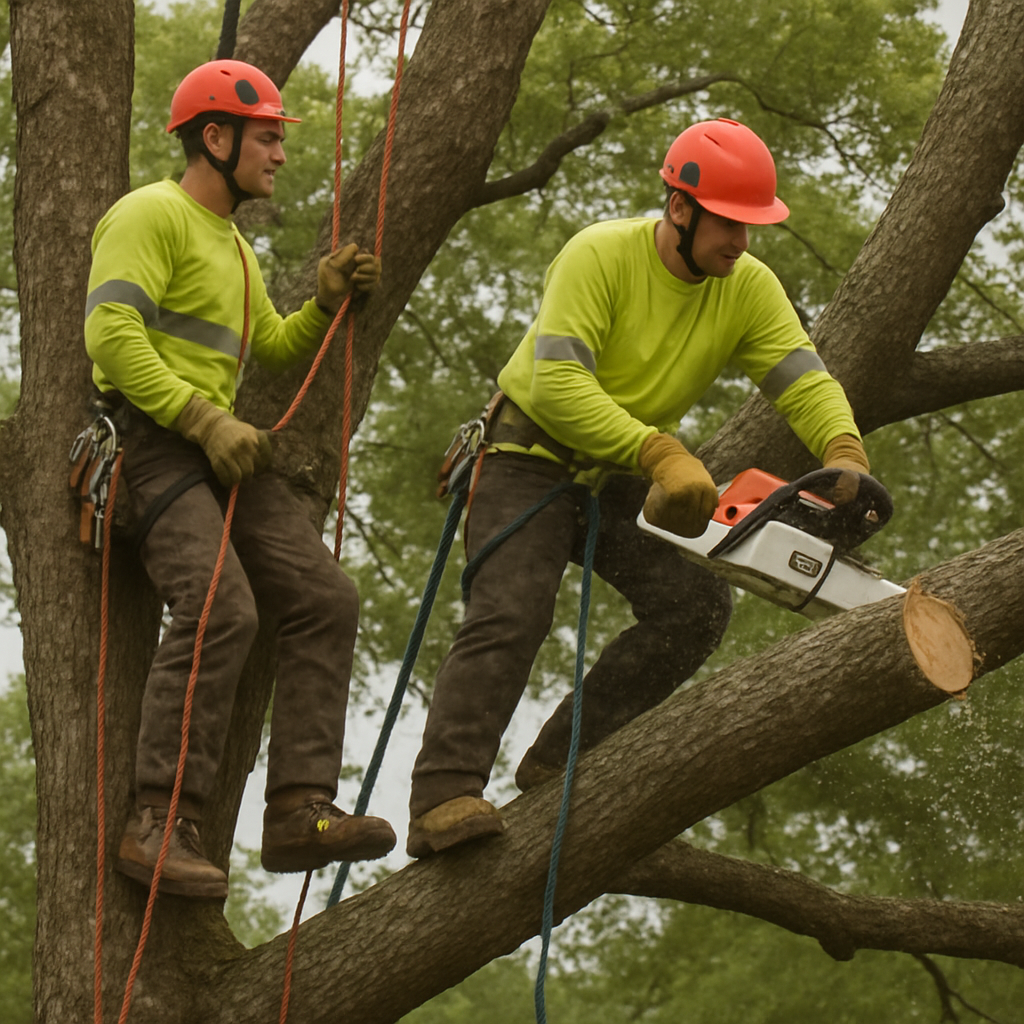
If you are a property owner hiring a tree service in Mobile, AL or the surrounding Gulf Coast, this matters to you too. Making sure the company has proper insurance is crucial — it protects you against potential liability if something goes wrong on your property. Understanding arborist insurance helps you see the unique risks tree professionals face every day, and verifying a tree company's insurance is simple: request proof and, when in doubt, contact the insurer directly.
What Is Workers Compensation Insurance for Tree Businesses?
Workers compensation insurance is a safety net for tree businesses. It supports employees who get injured while working, and it is especially important in the tree industry because of the inherent hazards of the job.
Tree work involves chainsaws, climbing at height, and heavy equipment. Each of those elements increases the risk of injury, and workers compensation insurance steps in to cover medical bills and lost wages if an accident happens. This type of insurance is mandatory in many states, so reputable tree companies maintain it to comply with local regulations and to avoid the legal consequences of operating without coverage.
Key benefits of workers comp insurance include:
- Covering medical expenses for on-the-job injuries
- Compensating lost wages during recovery
- Offering rehabilitation support for injured workers
By maintaining proper coverage, a tree company protects both its financial health and its workforce — and that protection extends to the homeowners who hire them.
Why Workers Comp Coverage Matters for Tree Businesses
Workers comp coverage is crucial because it provides financial protection against workplace injuries. That protects employees, but it also protects the business itself from the kind of catastrophic claim that can shut a small company down overnight.
Injuries can happen during routine tasks like trimming or removing a tree. Without insurance, a company might face hefty medical bills and lawsuits. Workers comp prevents those costly legal battles and lets the business continue operating safely.
For tree businesses, maintaining workers comp coverage also builds trust. Clients prefer working with insured companies because it shows professionalism and a commitment to safety. The reasons it matters come down to three things:
- Shielding the business against financial liabilities from accidents
- Building trust and credibility with customers
- Complying with legal obligations in many states
In short, workers comp coverage is an integral part of a tree business's risk management plan. It ensures both employee welfare and long-term business sustainability.
What Being Insured Means for Property Owners
When a tree company is insured, you, as the property owner, get peace of mind. You know that any accidents are covered by the company's policy and not by your homeowners insurance — which significantly reduces your liability if something goes wrong on your property.
Hiring a tree company with workers compensation insurance reduces risk in real, measurable ways. If a worker gets injured on your property, the insurance covers their medical costs. That means you avoid potentially expensive legal trouble. Property owners should always verify a tree company's insurance status before hiring, and a simple check can prevent significant financial pain later. Here is why it matters:
- Ensures injuries are covered by insurance, not your personal funds
- Reduces the risk of litigation and personal liability
- Confirms the company's professionalism and credibility
Checking for proper insurance protects you from unforeseen events and ensures a smooth experience when hiring tree services.
Key Types of Insurance for Tree Companies: Workers Comp, Liability, and Arborist Insurance
Tree businesses face unique risks that require specialized insurance. Understanding these types helps you mitigate risk when hiring. Three main types are crucial for tree companies: workers compensation, liability, and arborist insurance.
Workers comp covers employee injuries — medical expenses and lost wages if accidents happen. This insurance is often legally required and shields the business from costly lawsuits.
Liability insurance safeguards against property damage claims. When working near homes, fences, vehicles, and power lines, unexpected damage can occur. This insurance ensures the company is not financially crippled by such incidents — and that you, the property owner, are not stuck paying for damage caused by someone else.
Arborist insurance is tailored for tree service experts. It covers broader risks specific to the field, including coverage for specialized equipment and the unique operations of tree care.
The best tree companies bundle these insurances together. Bundling can save money and improve overall coverage, which protects the business and instills confidence in clients.
Risks of Hiring Uninsured Tree Companies
Hiring an uninsured tree company poses serious risks. As the property owner, you might bear the financial burden if an accident occurs — meaning unexpected costs for injuries or property damage that should never have been your responsibility.
Without insurance, tree businesses are also prone to legal battles, especially if an employee gets hurt while working on your property. Legal fees and compensation can be overwhelming for a company without workers comp, and that pressure often gets passed up the chain to the homeowner.
Property owners should be cautious when selecting a tree service. Beware of these potential risks of hiring uninsured help:
- Personal liability for worker injuries on your property
- Financial loss from uncovered property damage
- Potential lawsuits involving uninsured companies
Taking these risks seriously can save you from significant headaches and unexpected expenses.
How to Check if a Tree Company Has the Right Insurance
Verifying a tree company's insurance is a smart move and only takes a few minutes. Ask for their certificate of insurance — a document that details their coverage types and limits.
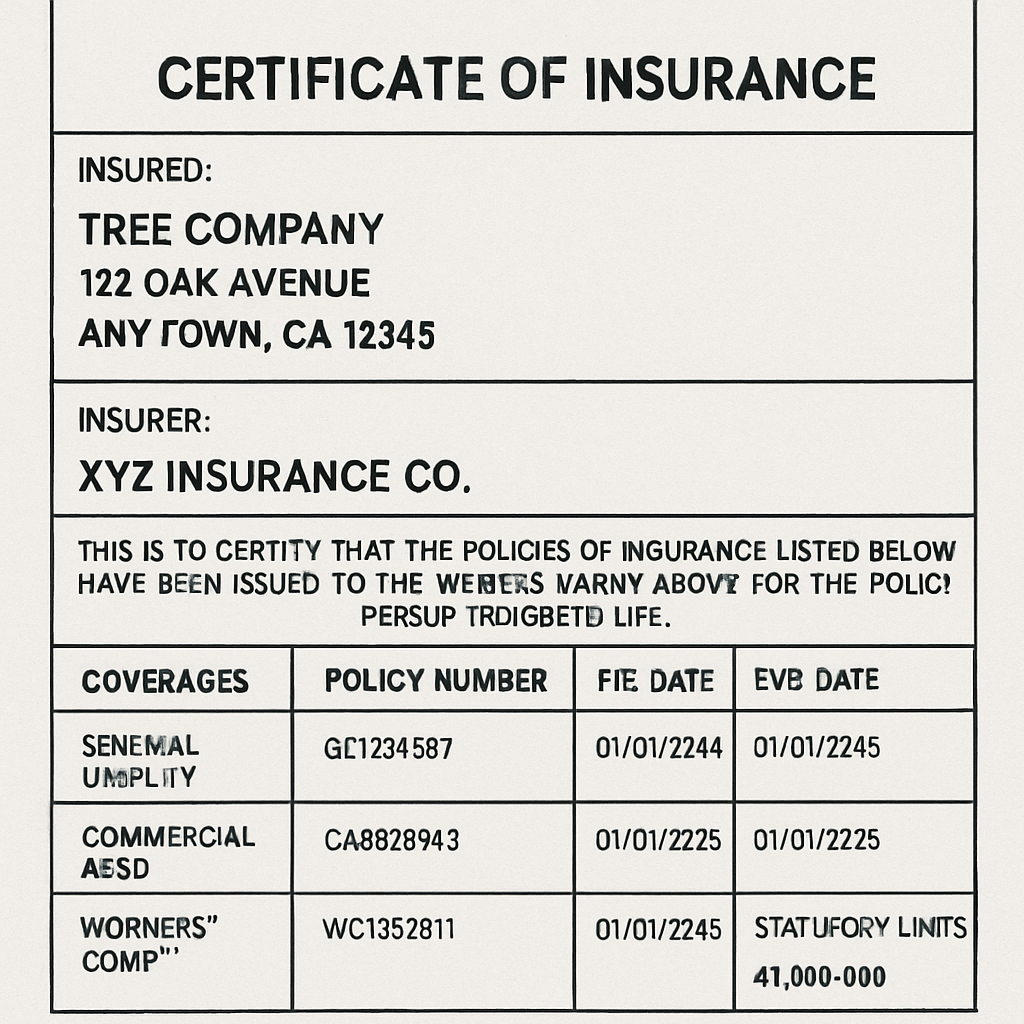
A reliable tree company will gladly provide this proof. Be wary of any contractor who is reluctant to share. A reputable certificate should clearly show both workers comp and general liability coverage. If you want extra peace of mind, call the insurer directly and confirm that the policy is currently active. Checking these details now can save you from real trouble later.
Use this short checklist to verify insurance before you hire:
- Request the certificate of insurance
- Confirm the policy is active by calling the insurer listed on the certificate
- Check that both workers comp and liability coverage are included
Taking these steps protects you from hiring uninsured companies and ensures peace of mind, knowing you are dealing with a responsible service provider.
What to Look for in a Certificate of Insurance
A certificate of insurance offers important insights at a glance. First, check the types of coverage — workers comp and liability insurance are essential for tree companies. Then examine the coverage limits, which indicate the maximum amount the insurer will pay on a claim. Make sure those limits are appropriate for the scope of work being done on your property.
Key elements to verify include:
- Coverage types and limits
- Policy effective and expiration dates
- Insurance provider's name and contact information
- The insured business name matches the company you are hiring
Confirming these details helps ensure you are dealing with a properly insured tree company and protects you against unexpected liabilities.
Common Red Flags: When to Be Cautious
Identifying potential red flags before signing anything is crucial. If a tree company hesitates to provide insurance documentation, treat it as a warning sign and look elsewhere.
Other red flags include:
- Outdated or expired policy dates
- Inconsistent coverage amounts compared to the scope of work
- Insurance companies you cannot find or verify online
- Cash-only quotes well below the going local rate
Being vigilant about these red flags can save you from costly headaches. Always prioritize due diligence before hiring any tree service provider in Mobile, AL or anywhere along the Gulf Coast.
Final Thoughts: Protecting Yourself and Your Property
Insurance is a critical part of risk management for tree services. It provides peace of mind for both business owners and the homeowners who hire them.
Always verify insurance before hiring. Doing so protects you, your property, and ensures a professional service. Taking these steps means that any potential mishaps will not turn into a much larger problem on your end.
Timber Tree Service is fully insured — including workers compensation and general liability — so you can hire with confidence. Contact us today for a free, no-obligation estimate on tree removal, stump grinding, pruning, or storm cleanup anywhere in Mobile, AL and the surrounding Gulf Coast.